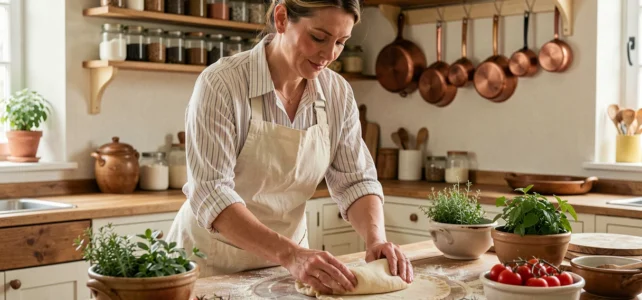
The French spend an average of 25 minutes each evening in the kitchen, according to data shared by Offrir International in August 2026. This time, which is down compared to previous years, reshapes how we envision a gourmet meal on a daily basis. With the rise of the air fryer, the increase in grocery costs, and the desire to limit waste, cooking for pleasure every day requires rethinking habits rather than just accumulating recipes.
Air fryer and quick cooking: what the device really changes in the kitchen
The air fryer is no longer just a trendy gadget. According to the 2025 report on small culinary appliances published by Gifam and cited by Offrir International, the air fryer has established itself as a standard in French households. The overall cooking market remains almost stable, but this device concentrates most of the momentum.
Its appeal for everyday gourmet recipes relies on three concrete mechanisms. The circulation of hot air at high temperatures produces a crispy crust without the need for frying. The almost non-existent preheating reduces the total preparation time. The compact size of the basket necessitates calibrated portions, which naturally limits waste.
For a seasonal vegetable cake or marinated chicken pieces, the air fryer offers even cooking in less than fifteen minutes. Websites like papillesheureuses.fr provide recipes specifically designed for this type of quick cooking, avoiding the blind transposition of a classic oven recipe.
One point deserves attention: the capacity of the device. The most common models are suitable for two to four people. Beyond that, cooking in multiple batches negates the time savings.
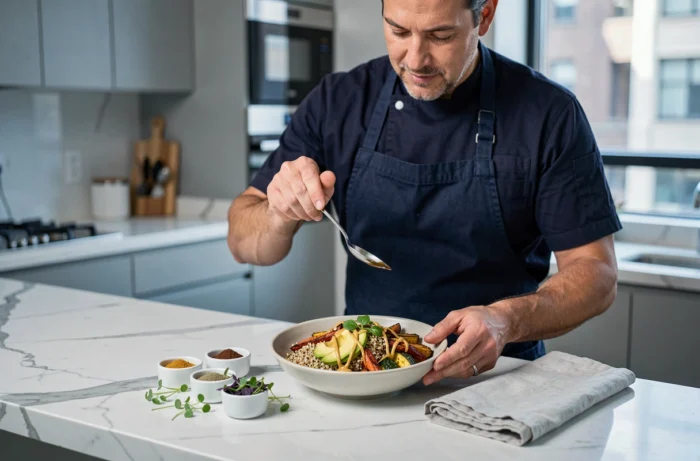
Waste-free recipes: cooking gourmet with what’s left
The rise in grocery costs, documented in several countries in recent years, reinforces the interest in meals built around common ingredients. The principle is simple: the same batch of vegetables, proteins, or starches serves as the base for several distinct dishes throughout the week.
Let’s take a concrete example with zucchini bought in season.
- On the first evening, they are sliced into ribbons and incorporated into zucchini ravioli lasagna, a complete dish that requires little preparation.
- The next day, the leftover zucchini is blended with eggs and melted butter to form the base of a savory cake, baked in the oven or air fryer.
- By the end of the week, the peels and trimmings join a homemade broth that will serve as a base for a soup or risotto.
This ingredient-centric reasoning also works with fruits. Ripe apricots become a roasted honey dessert on the first day, then a cake filling the day after. One purchase, two to three different recipes, zero waste.
The book Cooking Without Waste, published by Too Good To Go and available at several bookstores, formalizes this approach with complete menus organized around the principle of full utilization.
The common mistake: buying for a specific recipe
Planning meals around a list of recipes often leads to buying ingredients in inappropriate quantities. Starting with what is available in the refrigerator reverses the logic and measurably reduces waste.
Quick chocolate and seasonal fruit desserts
Dessert remains the moment where indulgence is expressed without restraint. Two families of recipes lend themselves particularly well to preparation in under twenty minutes: molten chocolate cakes and cooked fruit desserts.
The minute chocolate fondant relies on a butter-chocolate-egg ratio with no flour (or very little). The short cooking time, around eight to ten minutes in a preheated oven, produces a gooey center. Success depends on the cooking time, not the complexity of the recipe.
On the fruit side, the season dictates the choice. In spring, strawberries are perfect with just whipped cream and crumbled shortbread. In summer, oven-roasted apricots with a drizzle of honey and a spoonful of ricotta flavored with orange blossom make a complete dessert in under thirty minutes, including cooking time.
Adjusting sugar to the fruit
A ripe, seasonal fruit contains enough natural sugars to reduce the amount of added sugar. Tasting the fruit before sweetening the preparation avoids overly sweet desserts that mask the true flavor of the ingredient.
Weekly menu: structuring without rigidifying
Organizing a weekly menu does not mean freezing every meal. A more flexible approach consists of defining three categories of dishes for the week:
- Two complete dishes based on seasonal vegetables (gratin, savory tart, stir-fried crunchy vegetables).
- One dish centered around a protein (poultry, fish, eggs) with a simple starch side.
- One “leftover” meal built from the surplus of previous days, transformed into a composed salad, soup, or savory cake.
This framework allows room for improvisation while ensuring sufficient variety throughout the week. Desserts can adapt to the available fruits without rigid planning.
Feedback on the usefulness of meal planning apps varies. Some people find real time savings, while others give up after a few weeks because the rigidity of the schedule conflicts with daily surprises. The paper format (a simple list stuck on the refrigerator with the three categories) often remains the most sustainable.

The pleasure of cooking daily does not rely on mastering complex techniques or accumulating recipes. A good seasonal ingredient, a suitable cooking device, and a minimum of waste-reducing methods are enough to transform an ordinary meal into a gourmet moment. The rest is a matter of taste and the freedom to improvise.